Introduction
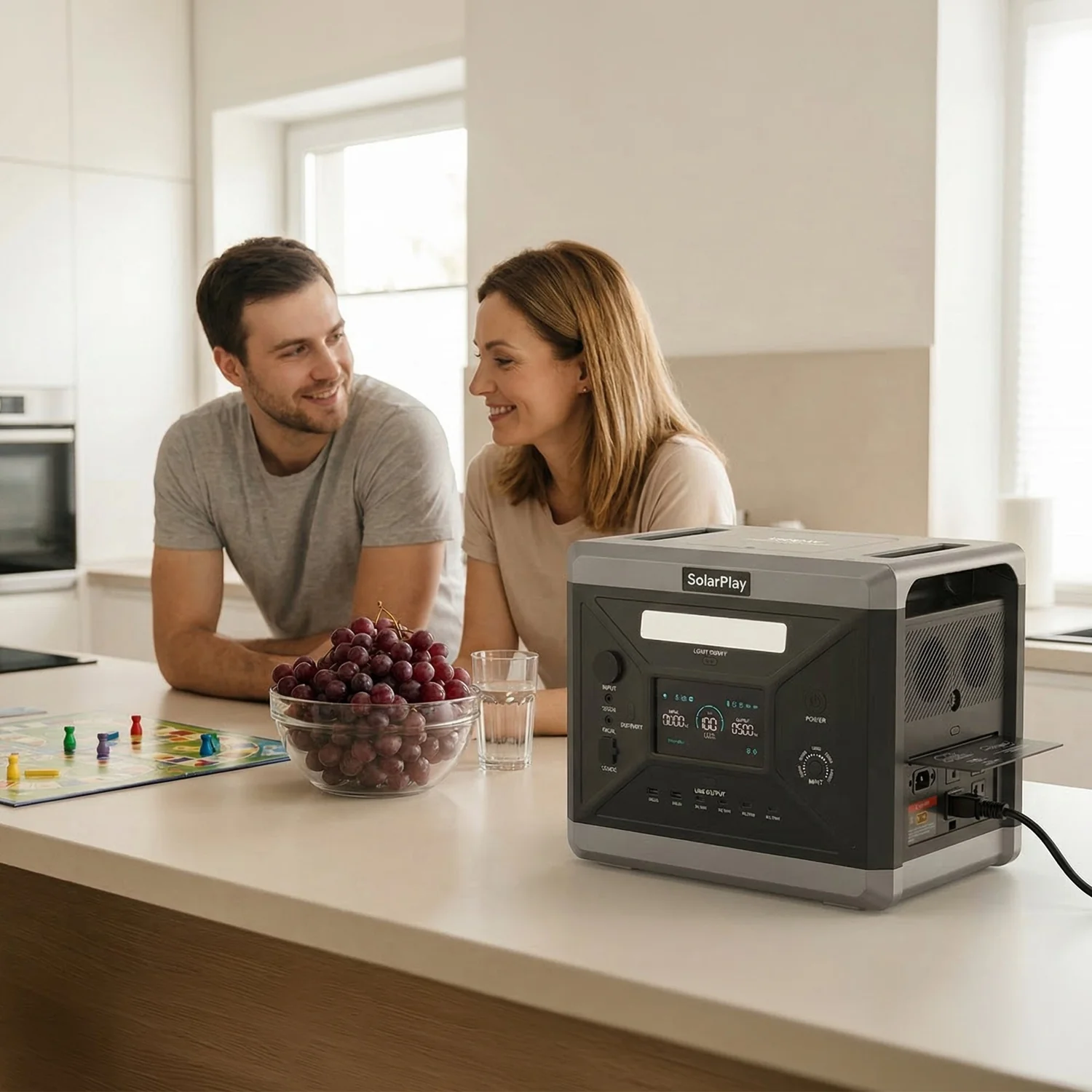
A portable power stations can be a useful solution when you need electricity away from a traditional power outlet. Whether you are going camping, travelling, working outdoors, or preparing for a power outage, a portable power station can keep important devices running.
Unlike traditional fuel generators, portable power stations use rechargeable batteries and do not produce exhaust fumes during normal operation. Many modern models can also be recharged through a wall outlet, car charger, or compatible solar panels.
But with so many models available, choosing the right one can be confusing. In this guide, we will explain what a portable power station is, how it works, and what features you should check before buying one.
Table of Contents
What Is a Portable Power Station?
A portable power station is essentially a large rechargeable battery system with different power outputs. Depending on the model, it can provide AC power for household electronics as well as USB and DC power for smaller devices.
You can use one to charge or power devices such as:
- Smartphones
- Laptops
- Cameras
- LED lights
- Wi-Fi routers
- Small appliances
- Camping equipment
- Portable refrigerators
The main advantage is flexibility. You can take the power station with you and use it wherever electricity is needed.
Why Are Portable Power Stations Popular in 2026?
Portable power stations have become more useful because modern models offer higher battery capacities, faster charging and better solar compatibility.
Recent 2026 testing and buying guides cover portable power stations for everything from camping and outdoor work to home backup. Some larger systems can also be expanded with additional batteries for longer backup periods.
For many people, the biggest attraction is convenience. A battery-powered system is quiet during operation and can be used for many everyday electronics without carrying fuel.
How Much Battery Capacity Do You Need?
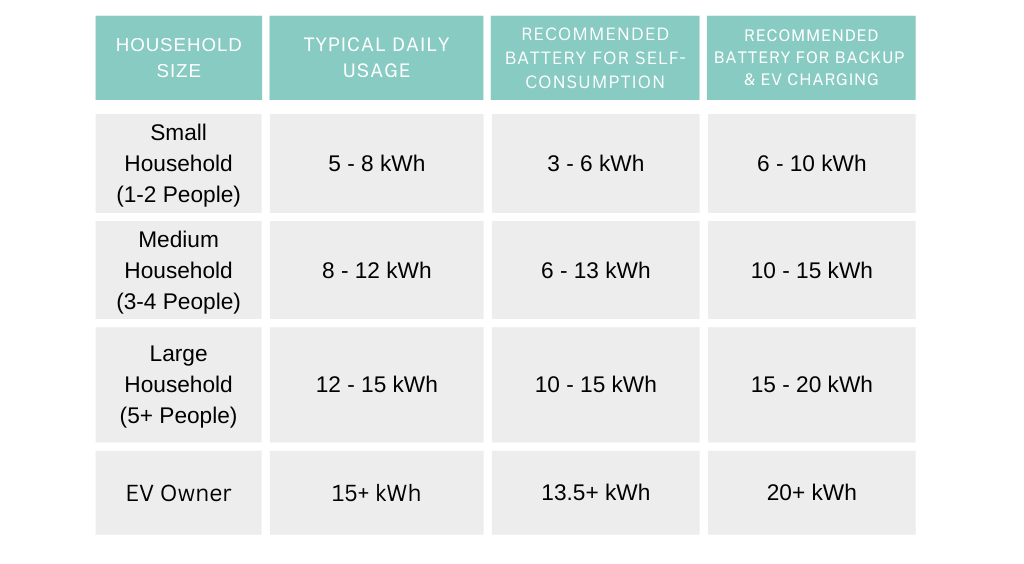
One of the most important specifications is battery capacity, usually measured in watt-hours (Wh).
A smaller power station under 500Wh can be suitable for phones, cameras, lights and other small electronics.
A model around 1,000Wh can provide considerably more energy and is useful for camping, laptops, networking equipment and some small appliances.
Larger 2,000Wh or higher models are better suited to extended backup requirements and higher-power equipment.
However, buying the biggest battery is not always the best choice. Larger units are usually heavier and more expensive, so choose a capacity that matches your actual needs.
Check the Power Output
Battery capacity is only one part of the equation. You also need to check the power output.
Power output is measured in watts (W). A power station with a higher continuous output can operate more demanding devices.
For example, a small unit may be perfect for charging phones and laptops but may not have enough output for a high-powered appliance.
Always check both the device’s normal power consumption and its starting or surge requirements before connecting it.
Look for LiFePO4 Batteries
Battery chemistry is another important consideration.
Many newer portable power stations use LiFePO4 (lithium iron phosphate) batteries. This battery chemistry is popular because of its long cycle life and good durability.
When comparing models, don’t focus only on capacity. Battery chemistry, warranty, charging speed and overall build quality can also affect the long-term value of the power station.
Solar Charging Can Be Useful
One of the most attractive features of many portable power stations is solar charging.
If the model supports solar input, you can connect compatible solar panels and recharge the battery when sunlight is available. This can be particularly useful for camping, road trips and off-grid situations.
However, solar charging speed depends on several factors, including panel wattage, sunlight conditions and the power station’s maximum solar input. Therefore, don’t assume that a large solar panel will automatically charge every power station quickly.
Check the manufacturer’s supported voltage and wattage limits before purchasing a solar panel.
Port Selection Matters
Before buying a portable power station, look at the available ports.
Useful connections can include:
- AC outlets
- USB-A ports
- USB-C ports
- DC outputs
- Car-style outlets
USB-C is especially useful for modern laptops, tablets and smartphones because some devices can charge directly through USB-C.
If you plan to charge several devices at the same time, make sure the power station has enough ports for your needs.
Portable Power Station vs Traditional Generator
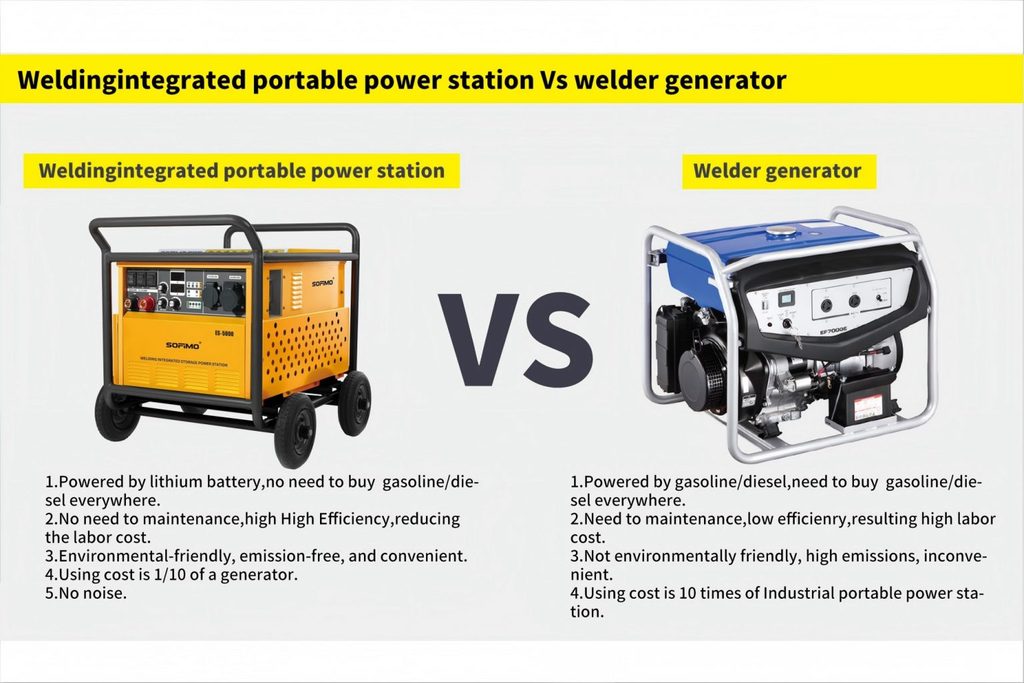
Portable power stations and traditional fuel generators serve similar purposes, but they work differently.
A traditional generator uses fuel and can continue producing electricity as long as you have enough fuel. However, it produces exhaust and noise and generally needs to operate outdoors.
A battery power station is much quieter and does not produce exhaust while operating. Its main limitation is that the battery eventually needs to be recharged.
For short outages, camping and powering electronics, a battery power station can be extremely convenient. For very long outages involving high-power appliances, a larger battery system or another backup solution may be more appropriate.
Planning outdoor activities or camping trips? You can also check out our Grill Blackstone Combo guide for useful outdoor cooking ideas and equipment.
What Should You Look for Before Buying?
Before purchasing a portable power station, compare these features:
- Battery capacity: Check the Wh rating.
- Continuous output: Make sure it can handle your devices.
- Surge output: Important for equipment with high starting power.
- Battery chemistry: LiFePO4 is common in newer models.
- Charging speed: Check AC, car and solar charging options.
- Solar input: Confirm compatible panel specifications.
- Ports: Choose enough AC, USB and DC connections.
- Weight: Larger capacity usually means greater weight.
- Warranty: Check the manufacturer’s warranty and support.
- Safety features: Look for appropriate protection systems and reputable manufacturers.

Final Thoughts
A portable power station can be a practical investment for camping, travel, outdoor work and emergency backup. The best model depends on how much power you need, how long you want it to run and how portable it needs to be.
Instead of choosing a power station based only on its battery capacity, compare its output wattage, battery chemistry, charging options, ports, weight and warranty.
If you understand these specifications before buying, it becomes much easier to choose a portable power station that fits your needs and budget.
Final Tip
Choose a portable power station based on your actual power needs, battery capacity, and charging options. A reliable model can make camping trips, travel, and unexpected power outages much easier and more convenient.